

Creating upper-body energy requires more than putting fat to the bar. Smart education utilizes calculating efficiency, checking changes, and modifying exercises centered on realistic goals. Whether you're a starter or an experienced athlete, employing a bench calculator gives a functional method to estimate your one-repetition maximum without hoping a hazardous maximal lift. This process assists create safer instruction periods while encouraging long-term energy development.
Why Is Calculating One-Rep Optimum Important?
A one-repetition optimum (1RM) represents the largest fat a person can lift for an individual replication with appropriate technique. Many power applications use proportions of the value to find out functioning weights for different teaching phases.
Study within power and health continues showing that percentage-based instruction assists athletes increase consistency while reducing pointless fatigue. As opposed to wondering suitable loads, projected values allow lifters to check out structured progressions that encourage constant improvements.

How Does a Bench Press Calculation Work?
Most power calculations use established mathematical formulations on the basis of the amount of representatives done with a submaximal weight. After entering the lifted fat and reps, the calculate anticipates an approximate one-rep maximum.
While no forecast may replace a genuine tested maximum, these treatments generally give dependable estimates for some healthy persons when performed with correct training technique and controlled repetitions.
What Benefits Does a Strength Calculator Present?
Among the best advantages is increased education efficiency. As opposed to usually seeking optimum comes, athletes can check development through normal workouts.
Extra benefits include:
Greater work-out preparing
Reduced harm chance from unwanted max attempts
Simpler monitoring of long-term progress
Improved reliability across training cycles
More accurate percentage-based coding
These advantages produce estimated calculations valuable for recreational lifters, aggressive players, and particular conditioning fans alike.
What Do Power Statistics Recommend?
Strength experts usually suggest analyzing performance every few weeks instead of testing optimum pulls every session. Instruction applications centered on estimated percentages often improve healing while sustaining steady progression.
Exercise science also indicates that modern clog stays one of the best predictors of long-term muscle and strength gains. Tracking estimated maximum energy helps ensure weight increases arise steadily as opposed to randomly.
Regular monitoring also allows persons to spot plateaus earlier, creating program adjustments far better before progress decreases significantly.
How Frequently Should You Recalculate?
Most players take advantage of upgrading projected strength every four to six weeks. This schedule gives enough time for measurable development without interrupting standard training.
Repeated recalculations also support alter working loads as power improves. Beginners may possibly observe bigger raises around small intervals, while skilled athletes usually knowledge slower but more regular progress.
The emphasis must stick to slow development as opposed to pursuing impractical regular increases.
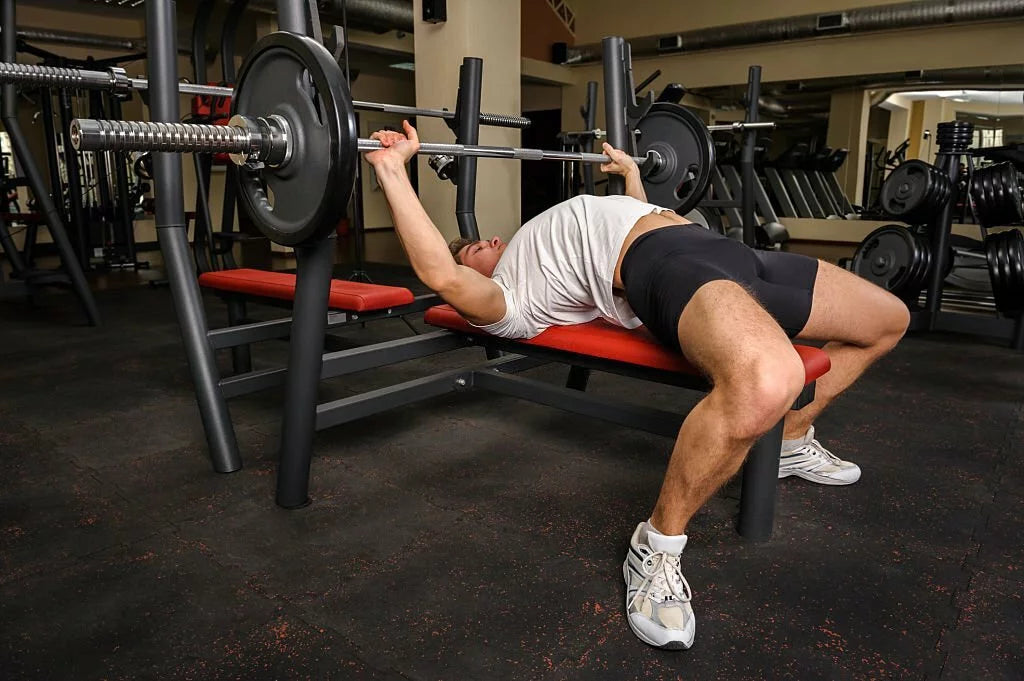
Can Novices Use Bench Power Estimates?
Absolutely. Beginners frequently benefit the absolute most simply because they steer clear of the pressure of seeking extremely heavy comes before mastering correct technique.
Projected calculations provide realistic beginning factors for structured programs while encouraging safe progression. As lifting experience grows, these estimates become useful guide points for setting possible performance goals.
Correct warm-ups, managed repetitions, and regular technique stay similarly important regardless of training experience.
What Factors Impact Precision?
Many factors influence projected one-repetition maximum calculations:
Appropriate lifting strategy
Full range of motion
Sincere consistency rely
Adequate recovery before testing
Consistent workout form
Applying similar situations all through each assessment increases comparison accuracy over time.
Is an Estimated Maximum Enough for Teaching?
For some people, yes. Projected values provide adequate data to build powerful workout programs while reducing the bodily demands of repeated optimum testing.
When coupled with regular effort, modern overload, healthy diet, and sufficient recovery, estimated energy calculations become a valuable software for improving overall performance. As opposed to relying on guesswork, athletes can make knowledgeable teaching choices that support sustainable development and long-term achievement in the bench press.